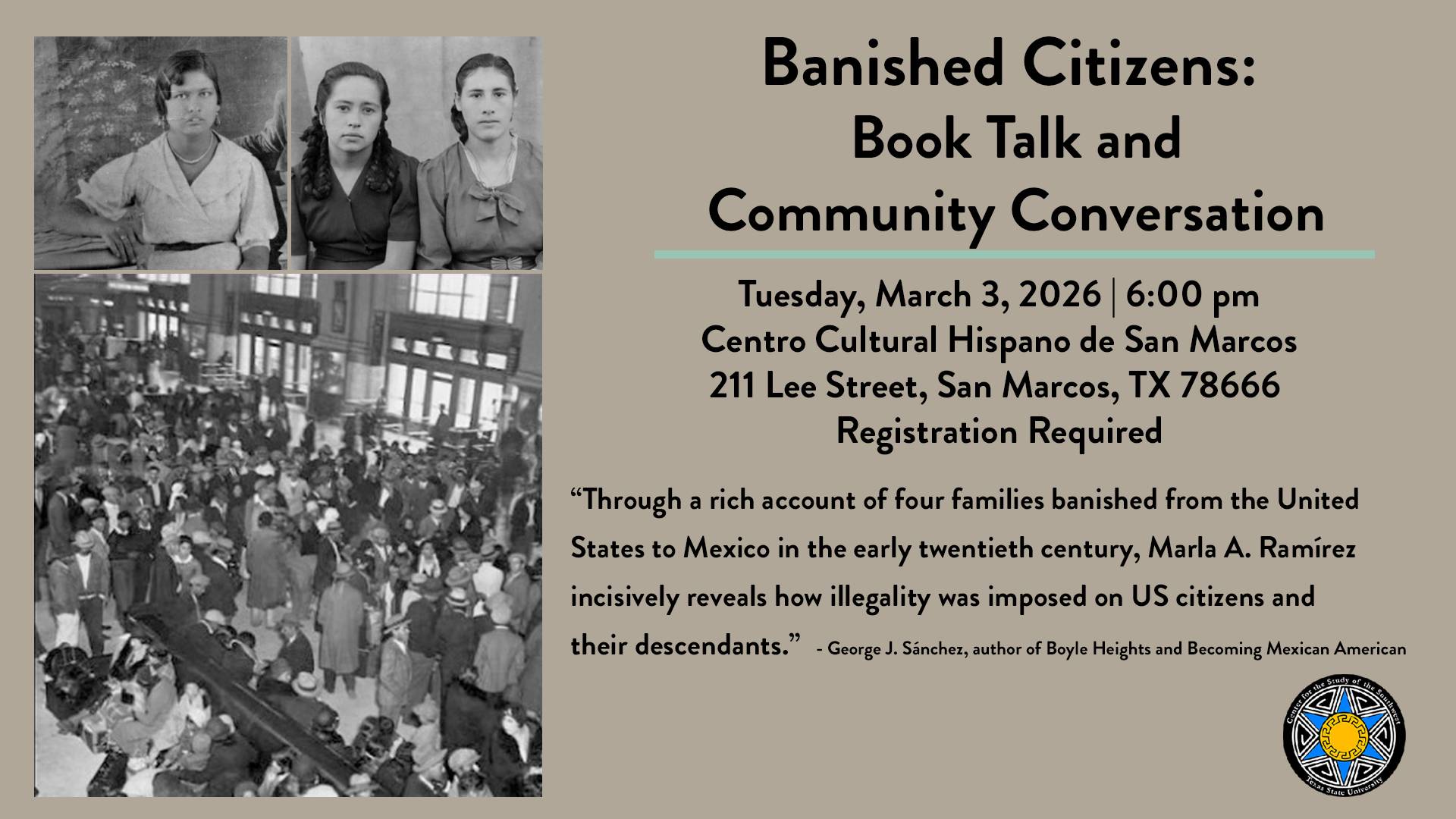
Banished Citizens: Book Talk and Community Conversation
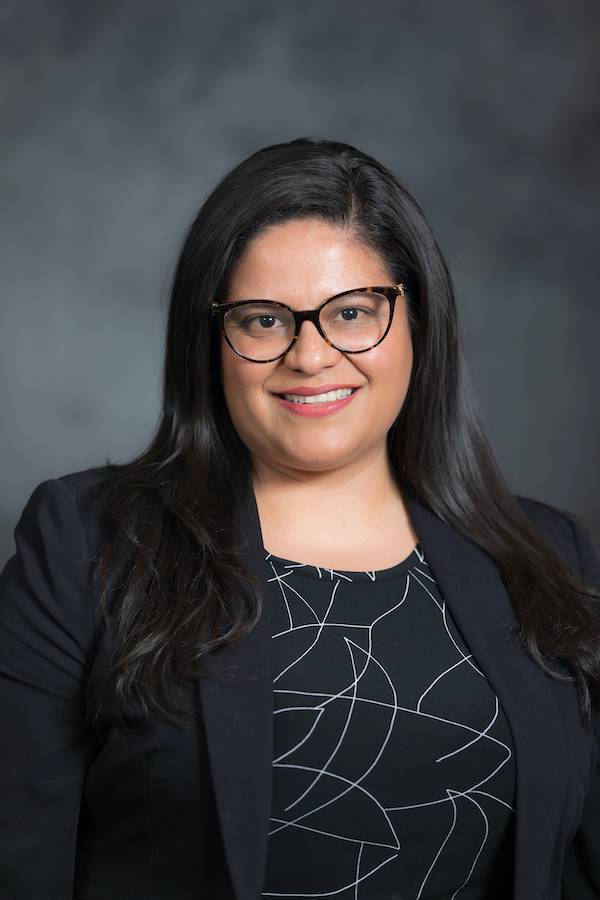
Dr. Marla Ramírez | University of Wisconsin - Madison
Tuesday, March 3, 2026 | 6:00 pm Centro Cultural Hispano de San Marcos 211 Lee Street, San Marcos, TX 78666
Registration Closed
On February 26, 2012, Marla Ramírez attended an official ceremony in Sacramento acknowledging the state of California’s role in removing ethnic Mexicans from the state between 1921 and 1944. Often referred to as the Great Repatriation as well as the Banishment, an estimated half-a-million to a million of these removed individuals were citizens of the United States, of which the vast majority were women and children. Dr. Ramírez befriended some of the attendees, members of a family that had been removed and rendered nearly stateless. This book project – Banished Citizens: a History of the Women Who Endured Repatriation (Harvard, 2025) – emerged from these initial conversations in California.
Since then, Professor Marla Ramírez has spent countless hours in rural Mexico, federal archives in Mexico and the United States, all seeking to document and tell the multi-generational impact of this repatriation movement in the interwar United States. By focusing on four families, from California and connected to different parts of Mexico, Ramírez captures the complexities and continuities facing different banished families in North America. For this work, Kirkus Reviews has called Banished Citizens a book of the year.
This book project has opened a variety of opportunities and projects for Doctor Ramírez. She is currently in Wisconsin, part of a larger project to involve Latino communities in documenting and telling their stories to academic and community audiences about their place and presence in the state. She is working with the National Museum of American History to document the recent history of immigrant advocacy, part of a project to document and understand how mixed-status people and communities negotiate a changing political, cultural and economic landscape in the United States. If anyone has any connection to Midwest migrations or mixed-status immigrant advocacy, this would be a great place to share and discuss your perspectives.
Centro Cultural Hispano and the Center for the Study of the Southwest are honored to host this book talk and conversation our shared pasts here in San Marcos.
Marla Ramírez is a historian of the US–Mexico borderlands. She investigates how processes of mass immigration removals have imposed notions of illegality on citizens in their own native countries. Specifically, she centers the everyday experiences of women and children in families whose members hold varying legal statuses (citizens, legally admitted immigrants, and unauthorized immigrants)—what we refer to as “mixed-status” families today. Teaching and research interests include Mexican American banishment (generally referred to as “repatriation”), racialized citizenship, gendered migrations across the US–Mexico border, mass immigration removals, the making of illegality, historical methods, and the history of Latinx/es in the United States.
Her second book project, tentatively titled Familiar Strangers: Racialized Citizenship in the US–Mexico Borderlands, builds on her scholarship on mass removals and the making of illegality to examine the reproduction of US immigration policies in Mexico. She builds on a transnational comparative analysis of Mexican Americans and Filipino Americans removed under so-called repatriation campaigns in the US and an almost identical initiative organized to expel Chinese Mexicans from Mexico during the Great Depression. Familiar Strangers contends that US immigration laws, far from adopting a strictly domestic purview, have had distinctly transnational policy implications, to the extent that Mexican officials looked to the US legal regime to reproduce the same kinds of exclusionary policies and practices in Mexico. This relationship facilitated the production of nativist policies that revoked the citizenship rights of Mexican Americans, Filipino Americans, and Chinese Mexicans on both sides of the US–Mexico border.
She is also involved in community-engaged scholarship as part of my commitment to the Wisconsin Idea, which is rooted in the principle that education and research should not be confined by the boundaries of the classroom. She works with the Scholarly Advisory Committee for the Undocumented Organizing Collecting Initiative (UOCI) project directed by Dr. Nancy Bercaw at the Smithsonian Institution’s National Museum of American History. The UOCI is the Smithsonian’s most ambitious national collecting initiative to date. It documents the history of the undocumented immigrant activists who shifted public opinion and advocated for the implementation of the Deferred Action for Childhood Arrivals policy.