
Lab Notes Newsletter – November 2025

Welcome to Lab Notes, your monthly roundup of all things Chemistry & Biochemistry! 

Whether it’s a big research win, a fun event, or a milestone moment — it all starts here.

Shuvo Brahma on Polymer Coated Nanofiber for Healing
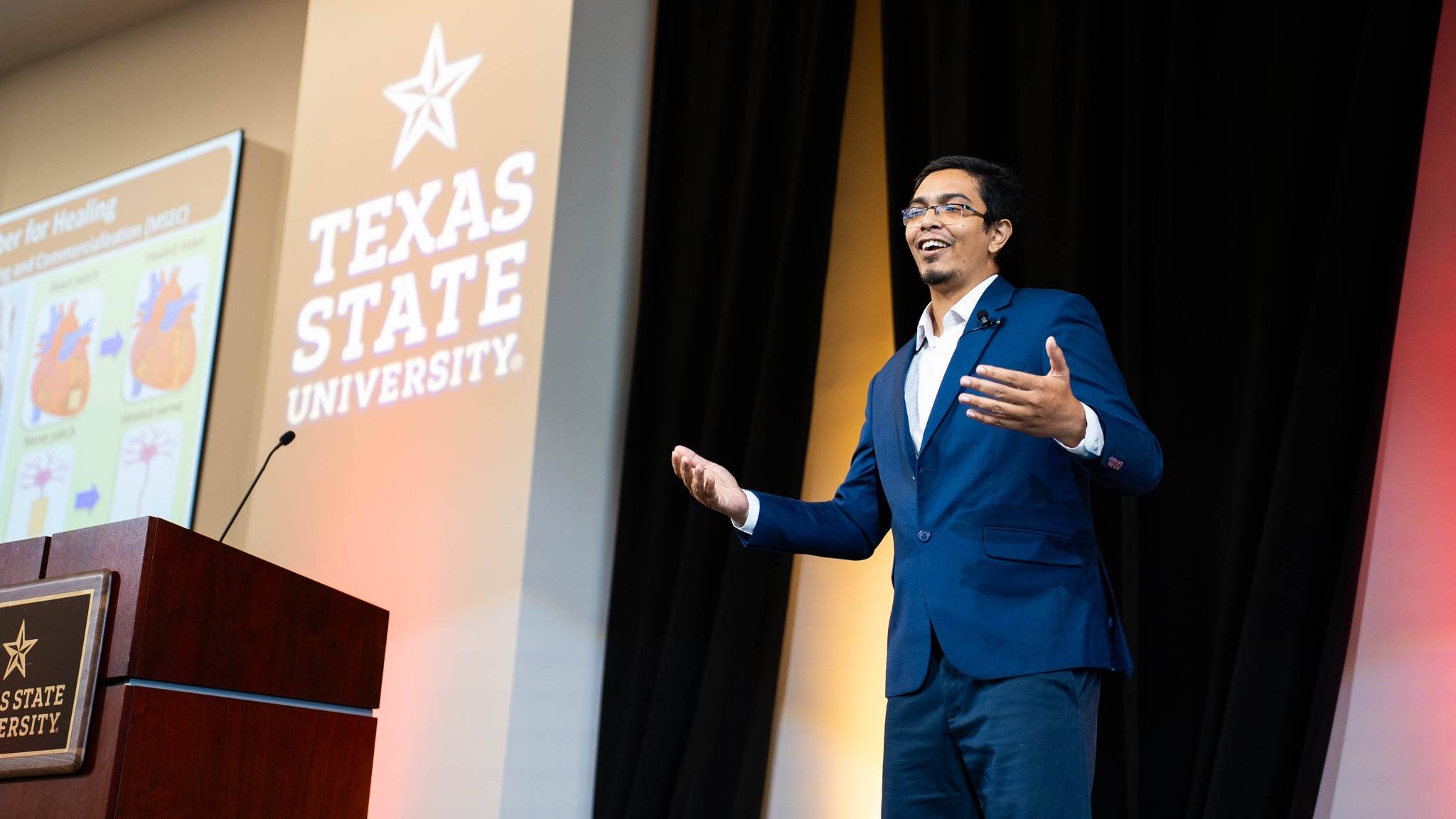
 A person in a blue suit and glasses is giving a presentation, standing next to a wooden podium with a microphone. The background features a large screen displaying the Texas State University logo and an image of a heart related to the presentation topic.Shuvo Brahma—a Materials Science, Engineering, and Commercialization (MSEC) student working with our very own Dr. Tania Betancourt—recently showcased his innovative biomaterials research at the Texas State Three Minute Thesis (3MT®) competition, where he highlighted the exciting work below.

This research focuses on developing a biodegradable, electrically conductive nanofiber scaffold designed to support the regeneration of damaged nerve and cardiac tissue. Neurological disorders affect approximately 8% of the population, while cardiovascular diseases impact about 7.6%. A major challenge after these conditions is that heart and nerve cells have limited natural ability to regenerate, largely because they require a highly specialized microenvironment—one that is structurally supportive, mechanically strong, biocompatible, and capable of conducting bioelectrical signals.

To address these challenges, polycaprolactone (PCL) nanofibers are fabricated using electrospinning. PCL is selected due to its biocompatibility, biodegradability, and ability to mimic the fibrous architecture of natural extracellular matrix. To improve mechanical strength and initial conductivity, nanoparticles such as reduced graphene oxide are incorporated. The resulting nanofibers are then coated with a Nobel Prize–winning conductive polymer (e.g., PEDOT) using vapor phase deposition (VPD), a solvent-free coating technique that enables uniform polymer growth without compromising fiber structure or biocompatibility.

Material characterization confirms that this process yields uniform, mechanically reinforced, electrically conductive nanofibers with semiconductor-like behavior. Initial biological tests show excellent cytocompatibility, with enhanced cell attachment and proliferation on the conductive nanofiber scaffold. The biodegradable nature of PCL allows the scaffold to gradually break down after tissue regeneration, eliminating the need for surgical removal.

This research demonstrates a promising pathway for creating multifunctional biomaterial patches capable of promoting nerve regeneration and cardiac tissue repair through a combination of structural mimicry, mechanical robustness, and electrical conductivity.
Texas State Undergraduates Earn Competitive Research Fellowships

Two Texas State University students in the Department of Chemistry & Biochemistry and related programs have been awarded Undergraduate Research Fellowships (URF) for Fall 2025, a highly competitive program that supports original student research.

Eden Merritt, a biochemistry major, received funding for a project that explores the structure and function of LARP6 proteins in simple algae. Working under the mentorship of Dr. Karen Lewis, Merritt’s research aims to better understand how protein structure influences RNA binding and cellular function.

Olivia Hamilton, a biology major, earned a fellowship for her work studying a copper-responsive pathway in Pseudogymnoascus destructans, the fungus responsible for white-nose syndrome in bats. Mentored by Dr. Ryan Peterson, Hamilton’s project focuses on how the fungus manages copper to survive inside hosts, with the goal of contributing to disease prevention strategies.

The Undergraduate Research Fellowship program awards funding to support student-led research and provides opportunities for undergraduates to present and publish their work, strengthening the university’s commitment to hands-on, high-impact learning.

Congrats Eden and Olivia!

PREM Student Dillon Gee Honored with D.O.O.R.S. Scholarship

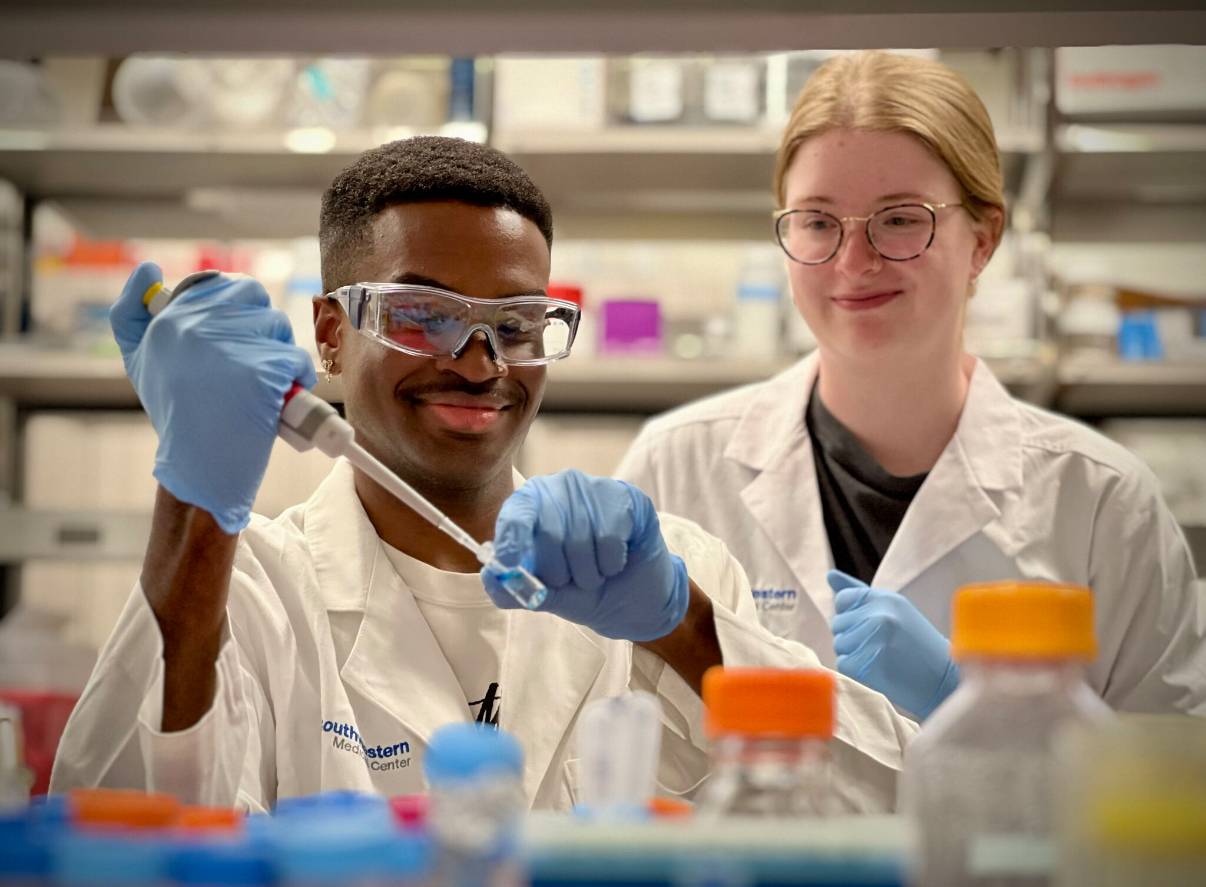
 Two people in lab coats and gloves are working in a laboratory. The person in the foreground, wearing safety goggles, is using a pipette to transfer liquid into a small vial, while the person behind them smiles.We are thrilled to announce that Dillon Gee has been selected for the highly competitive BTC Institute–Promega International Scholarship (also known as the D.O.O.R.S. Scholarship)! This award recognizes a select cohort of 10 outstanding students internationally based on research accomplishments, proposal writing, and dedication to pursuing careers in biotechnology.
Dillon expressed his surprise and gratitude upon receiving the award, noting that much of his success is rooted in the mentorship and support he received through the PREM program and other initiatives. The scholarship provides recipients with $5,000, a travel stipend to attend the national "Scholar’s Day" event in Wisconsin, and one-on-one mentoring with leaders in biotech at Promega.

Dillon shared, “I applied for this scholarship not only because I saw it on LinkedIn (yes, LinkedIn can be useful!), but also because of my interest in Promega’s PROTAC systems, which align perfectly with my long-term goal of advancing oncology therapeutic research.”

Dillon’s achievement exemplifies the power of mentorship, dedication, and curiosity in shaping a successful path in science. We congratulate him on this honor and look forward to seeing his continued impact in the field of biotechnology!


Winding Down with Warm Drinks & Good Company

Graduate students from Chemistry & Biochemistry gathered for a cozy, pre-finals pick-me-up at this year’s Give Thanks, Take a Break Social, held on November 20 in Comal 116.

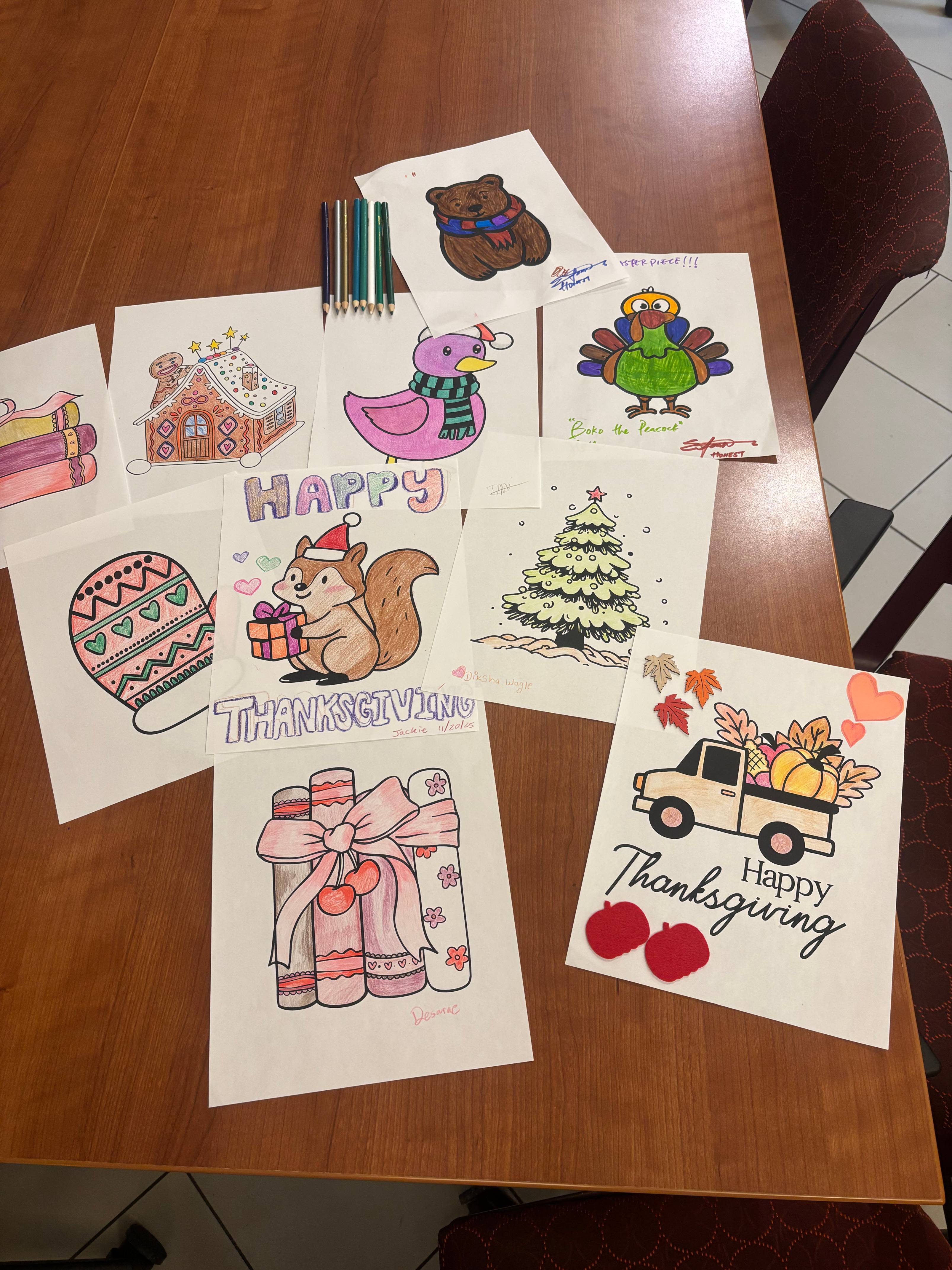
The room was filled with warm, welcoming autumn vibes with videogame music, and friends that set the tone for a relaxed afternoon. Students made themselves at home with fresh coffee and tea, snacks, and light crafts designed to spark creativity and help everyone unwind before finals week kicked into full gear.

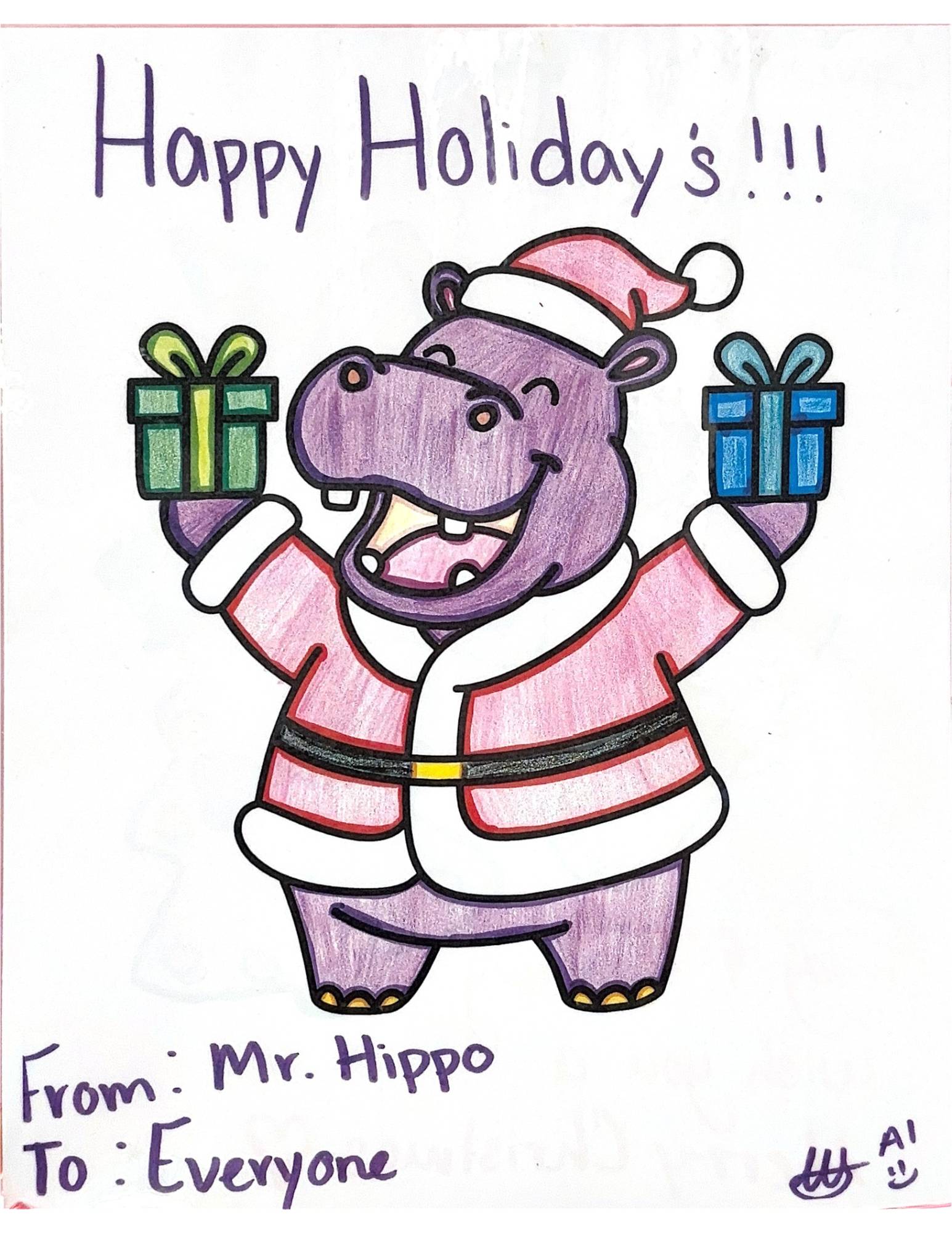
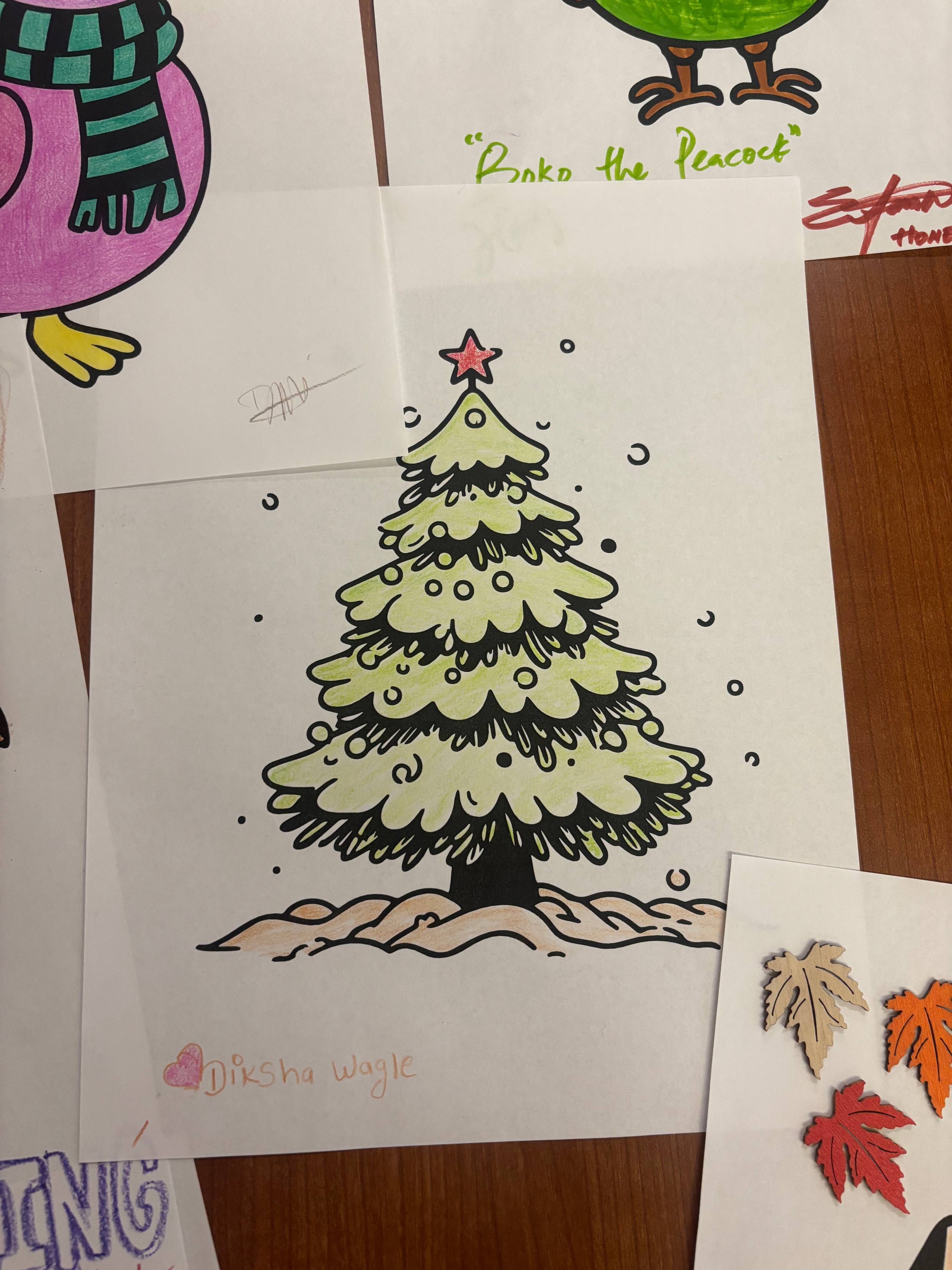
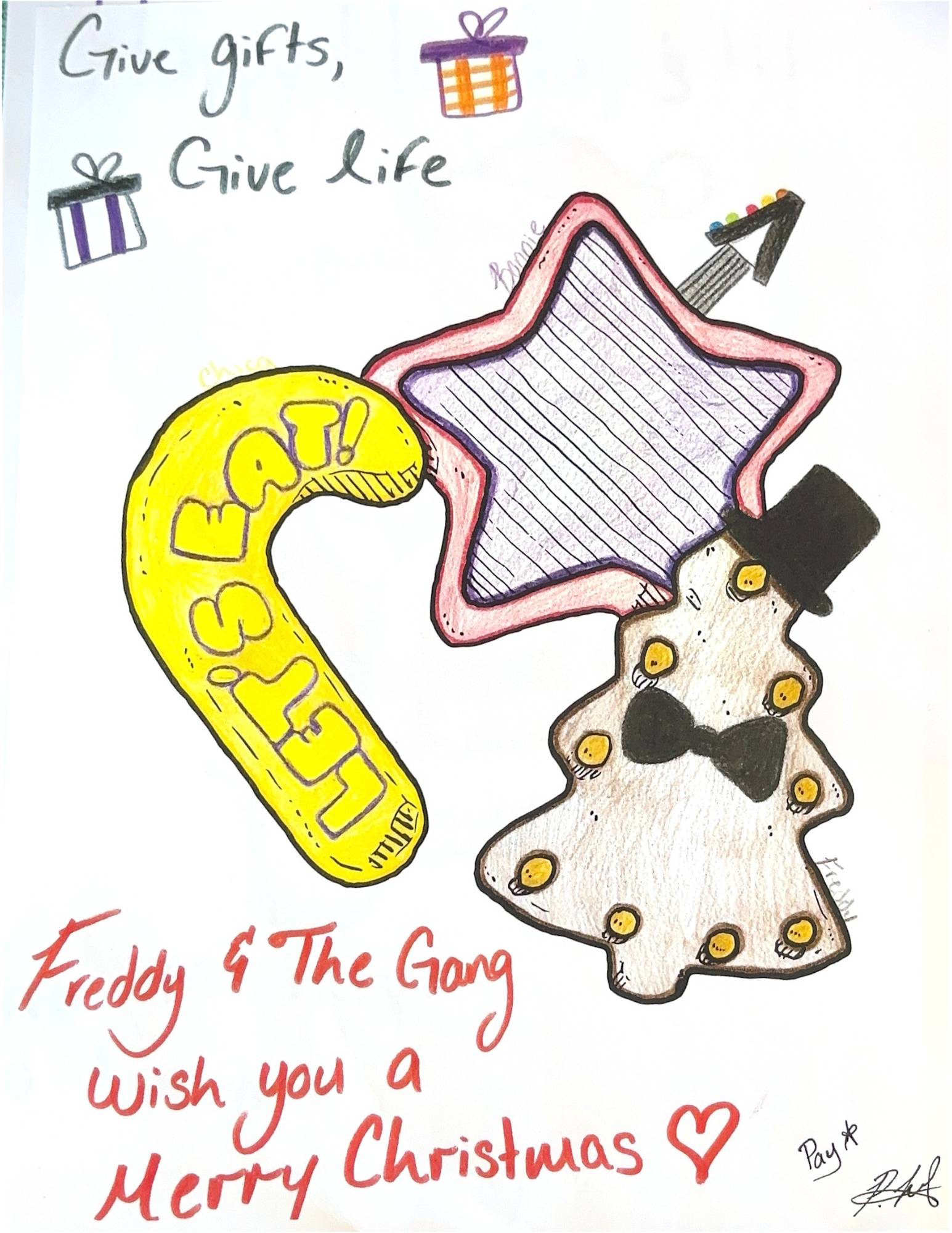
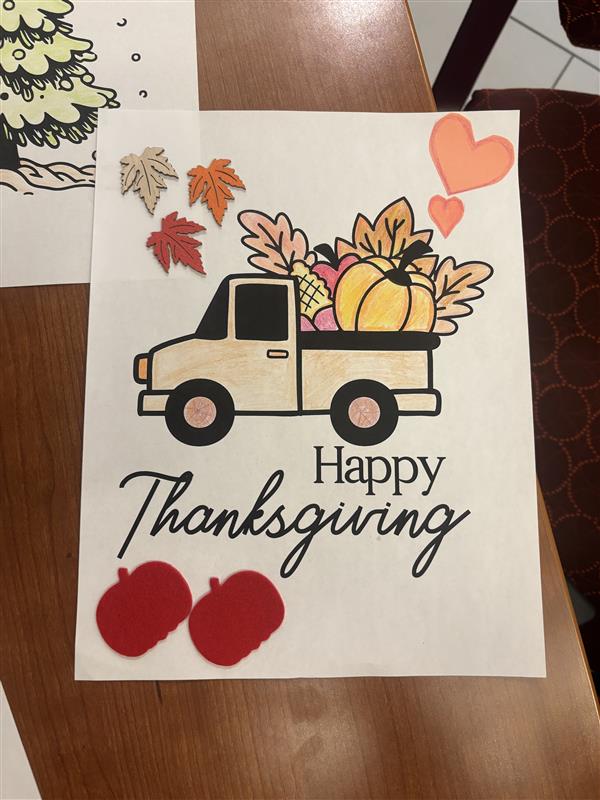
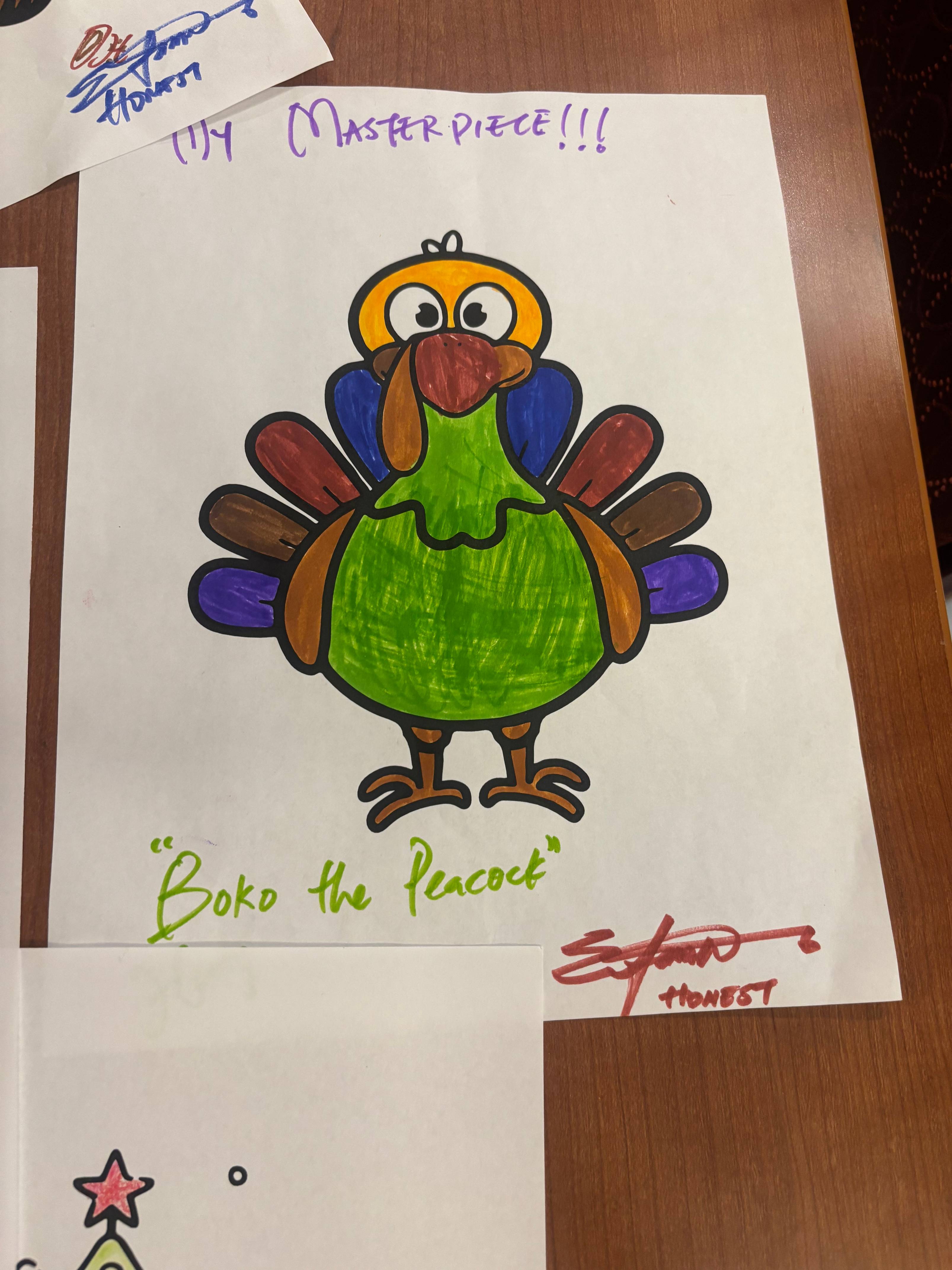
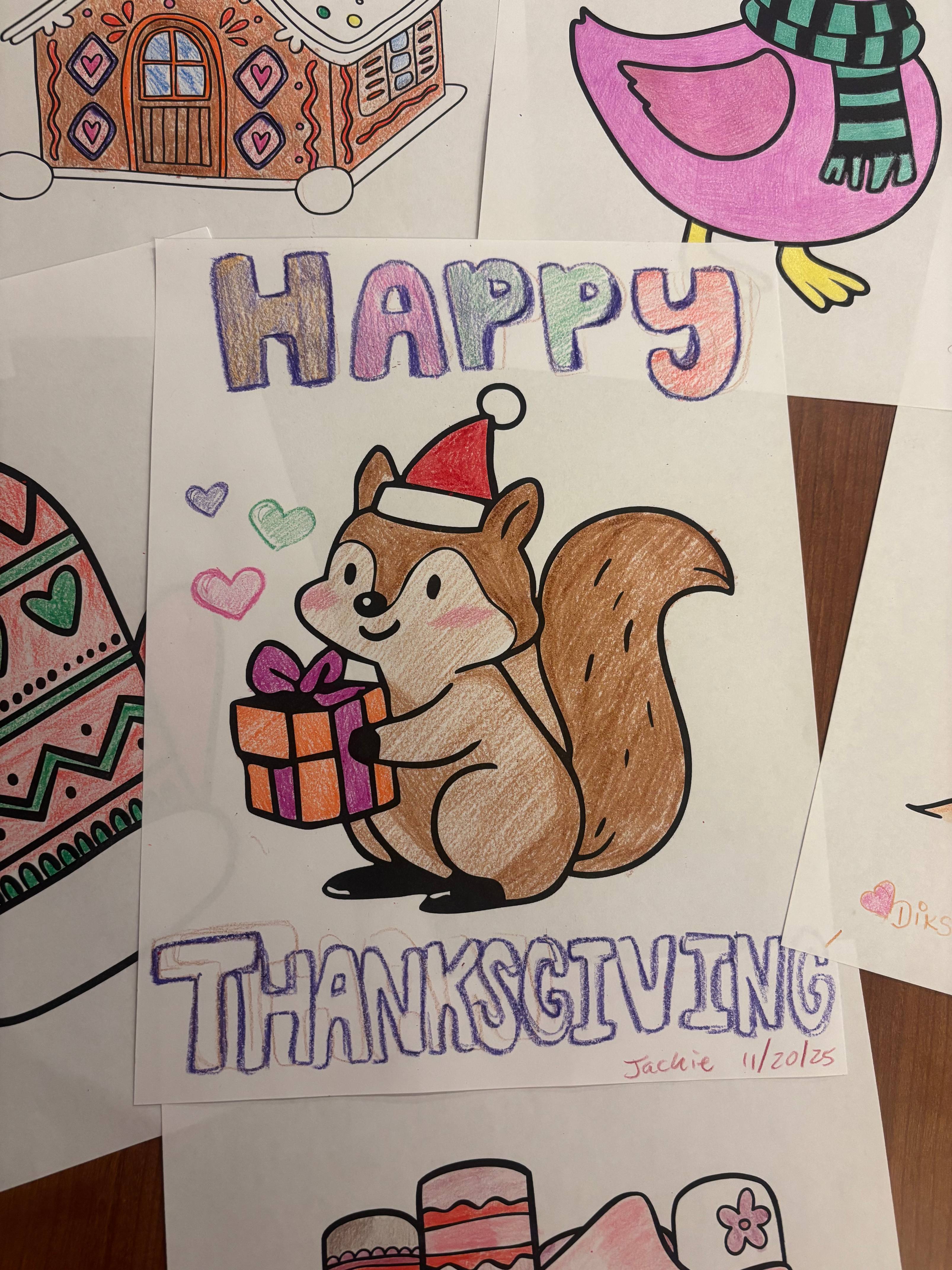
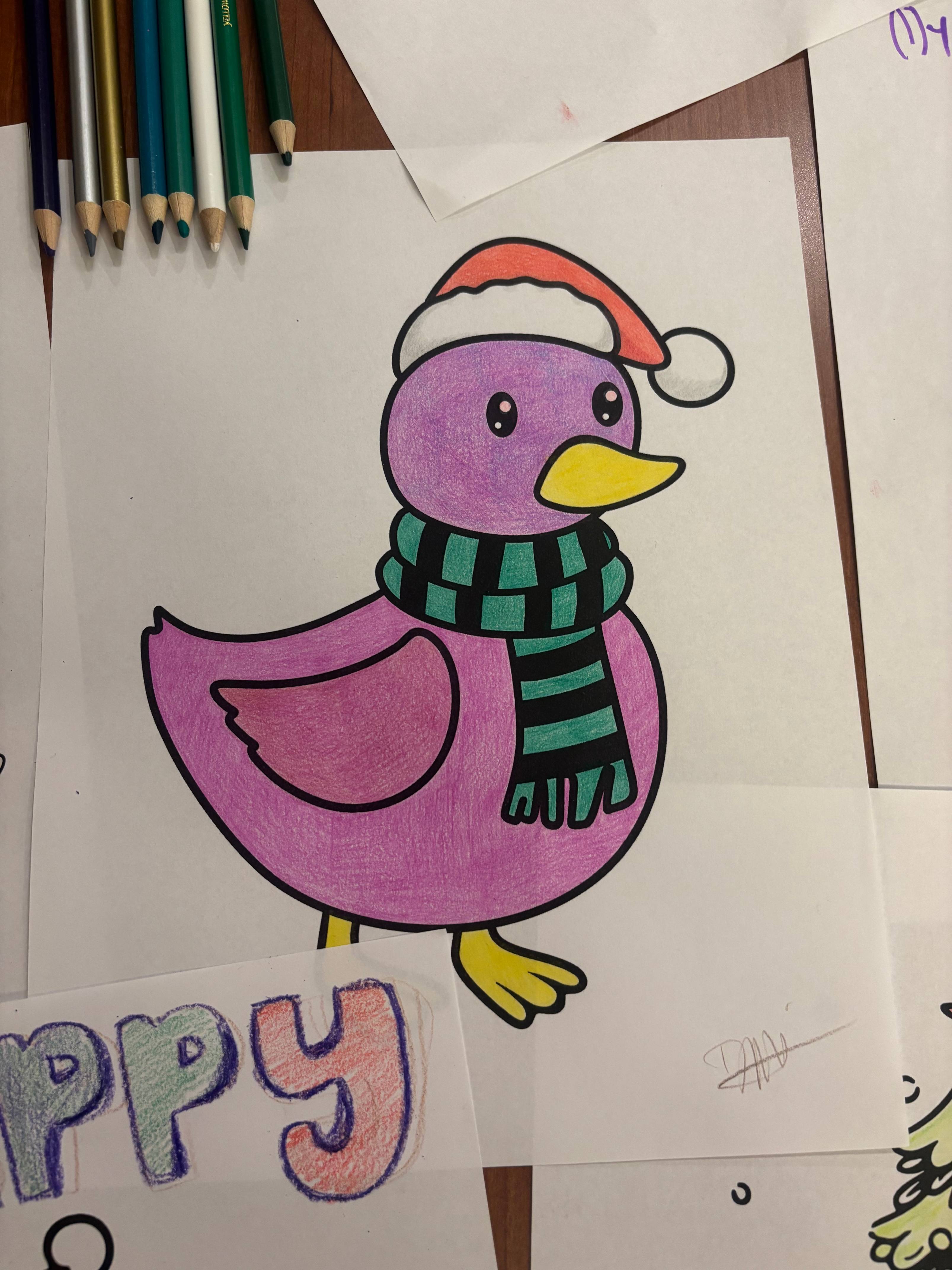
Attendees didn’t just relax though, they created! Students put together some truly awesome art pieces during the craft session, and their work is now proudly displayed in the main Departmental Office. 

A huge thank-you goes out to all the students who consistently show up, bring great energy, and make each event memorable.

Whether sipping a warm drink, chatting with friends, or taking a mindful moment to decompress, the social offered a chance to slow down, recharge, and share gratitude as the fall term came to a close.

We’re excited to keep the fun going — and we’ll be kicking off the spring semester with the same good vibes, creative moments, and community spirit. Thanks again to everyone who joined us, and we can’t wait to see you next time!

Seminar Spotlight

Wrapping up this Fall 2025 semester, our department is hosted a series of fascinating seminars. From Microdroplet Mass Spectrometry to DNA-DSB Repair, here's a look at some of the highlights from our guest speakers from the last couple seminars. 

11/10: Professor Xin Yan, Microdroplet Mass Spectrometry for In-Depth Lipidomics

Professor Xin Yan from the Chemistry Department at Texas A&M University (who earned her Ph.D. from Purdue and conducted postdoctoral training at Stanford ) will present on "Microdroplet Mass Spectrometry for In-Depth Lipidomics" , focusing on her research group's progress in microdroplet chemistry. This strategy, which accelerates reactions at the air/solution interface, includes the development of a voltage-controlled interfacial microreactor that accelerates electrochemical reactions for the first time. Furthermore, her work involves novel interfacial reactions that address various long-standing isomeric problems in lipidomics , as well as a new mass spectrometry imaging platform for cancer studies. Dr. Yan's research, which applies these techniques to improve lipidomics and expedite transition metal catalysis discovery, has been recognized with multiple awards, including an NSF CAREER award and a Sloan Research Fellowship.

11/17: Dr.  Ryan Davis, Addressing global and national security challenges through fundamental chemistry

Dr. Ryan Davis, a Senior Staff Scientist at Sandia National Laboratories, will present "Addressing global and national security challenges through fundamental chemistry". His talk covers his research into materials aging, energy, water, and food security. The first part of his research focuses on characterizing aerosol particles in the atmosphere using spray and levitation-based techniques to understand their unique chemical properties, which strongly influence air quality. The second part addresses the contamination of the hydrosphere by PFAS ("forever chemicals"), detailing ongoing efforts to destroy, sequester, and detect these substances. Dr. Davis, who earned his Ph.D. from the University of Colorado Boulder, will also highlight work on gas-surface interactions, bioaerosol detection, and machine-learning based atmospheric models.

12/1: Professor Gangadhara R. Sareddy, KDM1A/LSD1 Inhibition Impairs DNA-DSB Repair and Enhances Chemoradiation Response in Glioblastoma

Professor Gangadhara R. Sareddy, an Associate Professor at UT Health San Antonio, will present his research in a seminar titled "KDM1A/LSD1 Inhibition Impairs DNA-DSB Repair and Enhances Chemoradiation Response in Glioblastoma". His work addresses the therapy resistance in Glioblastoma (GBM), where glioma stem cells (GSCs) efficiently repair DNA lesions caused by standard therapies like temozolomide (TMZ). His team demonstrated that the epigenetic modifier KDM1A/LSD1 is essential for the DNA double-strand break (DNA-DSB) repair capacity of GSCs. Importantly, KDM1A inhibition attenuates both homologous recombination and non-homologous end joining repair, leading to GSC sensitization to TMZ. Furthermore, the KDM1A inhibitor NCD38 exhibits excellent blood-brain barrier (BBB) permeability and, when combined with TMZ and radiation therapy, potentiates efficacy both in vitro and in vivo. These results suggest that a combination of a KDM1A inhibitor with TMZ and radiation could serve as a novel therapeutic strategy for GBM.

Missed these events? Don't worry!

While the Fall 2025 Seminar Series has wrapped up, the Department will be back in Spring 2026 with an all-new lineup of speakers, exciting topics, and plenty of opportunities for students to get involved and enjoy.


Closing Remarks

Thank you for reading this edition of Lab Notes! We’re proud to celebrate the achievements, creativity, and community that make the Department of Chemistry & Biochemistry such an inspiring place to be.

As this is our final issue of the year, we want to thank everyone who shared their stories and successes with us. We can’t wait to see what 2026 brings for our students, faculty, and department. Until then, keep sending us your updates, events, and accomplishments — and we’ll be ready to highlight them in the new year!

Submit your news here →

Desarae C Saathoff
Administrative Asst II
CHEM: 238
(512) 245-2156